
Why “Complete” Plans Are Rarely Complete
Most project plans look solid on the surface. Yet, at the moment of commitment, roughly 30% of the information required for successful delivery is missing.
What’s missing is the structural layer that allows teams to judge feasibility, alignment, and outcome integrity before momentum hardens around the wrong interpretation.
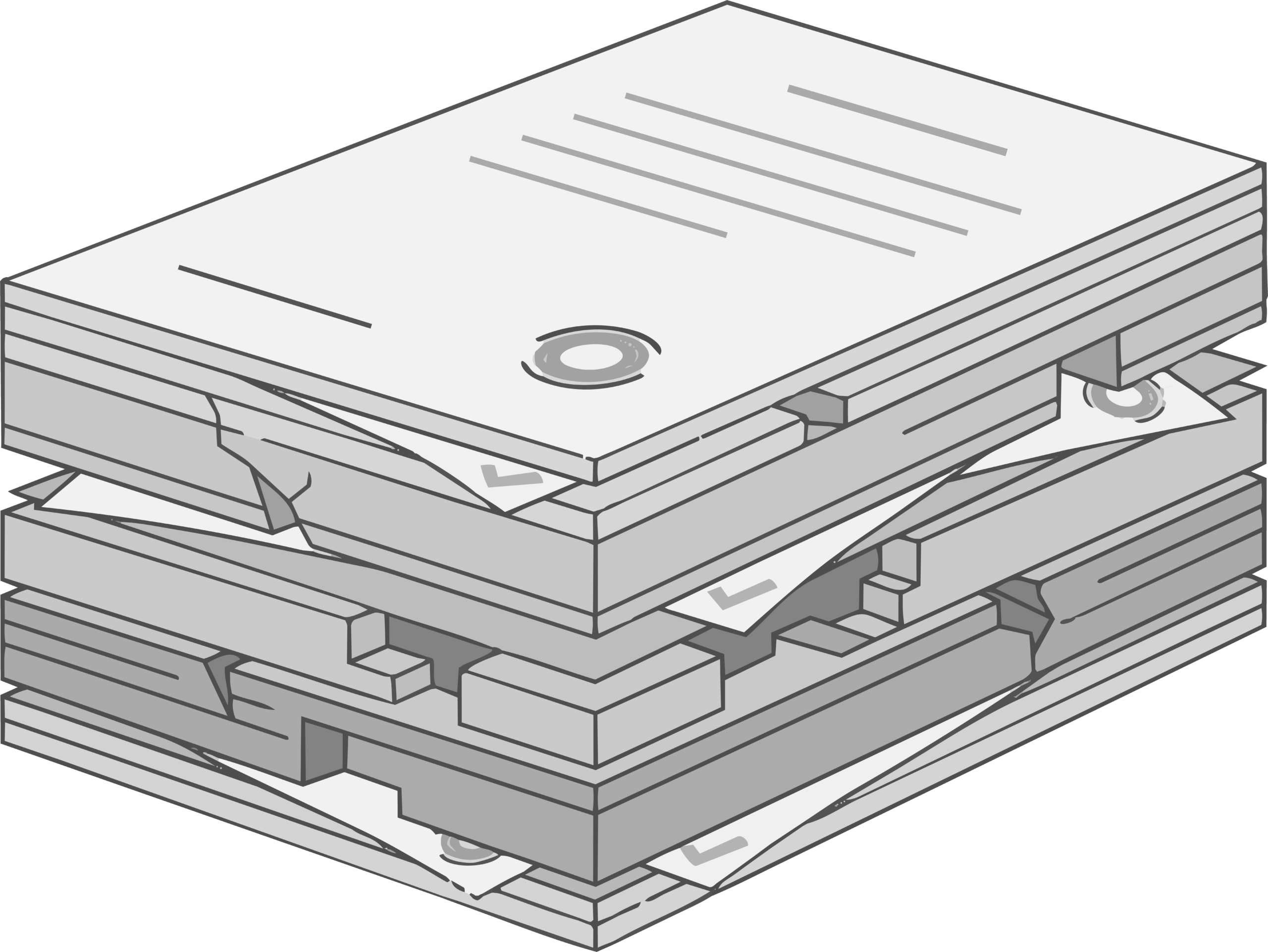
The most important parts of a plan are the ones you don’t see
Project plans often feel complete long before they actually are. What’s missing is rarely more detail. It is the invisible layer that determines whether the plan can survive real conditions.
That layer typically includes constraints that were never articulated, expectations that were assumed rather than confirmed, assumptions left untested, dependencies that lived only in someone’s head, and context that felt shared but wasn’t.
This is not a documentation problem.
It is an understanding problem.
And it is where most modern project failures begin.
The 30% Rule names this reality and gives teams a way to surface what must be understood before alignment can truly exist.
Plans get finalized faster than they get understood
Modern teams operate under constant pressure to move. Outcomes are expected quickly, and visible progress is rewarded. Planning becomes an act of synthesis under cognitive load: fragmented inputs, distributed conversations, partial information, and time pressure converge at once.
In this environment, context stays scattered, assumptions go unchallenged, constraints surface late, and critical dependencies remain implicit. A plan can look finished while still being structurally fragile.
The missing 30% is rarely intentional. It is a predictable consequence of how modern work actually happens — and a primary source of drift once execution begins.
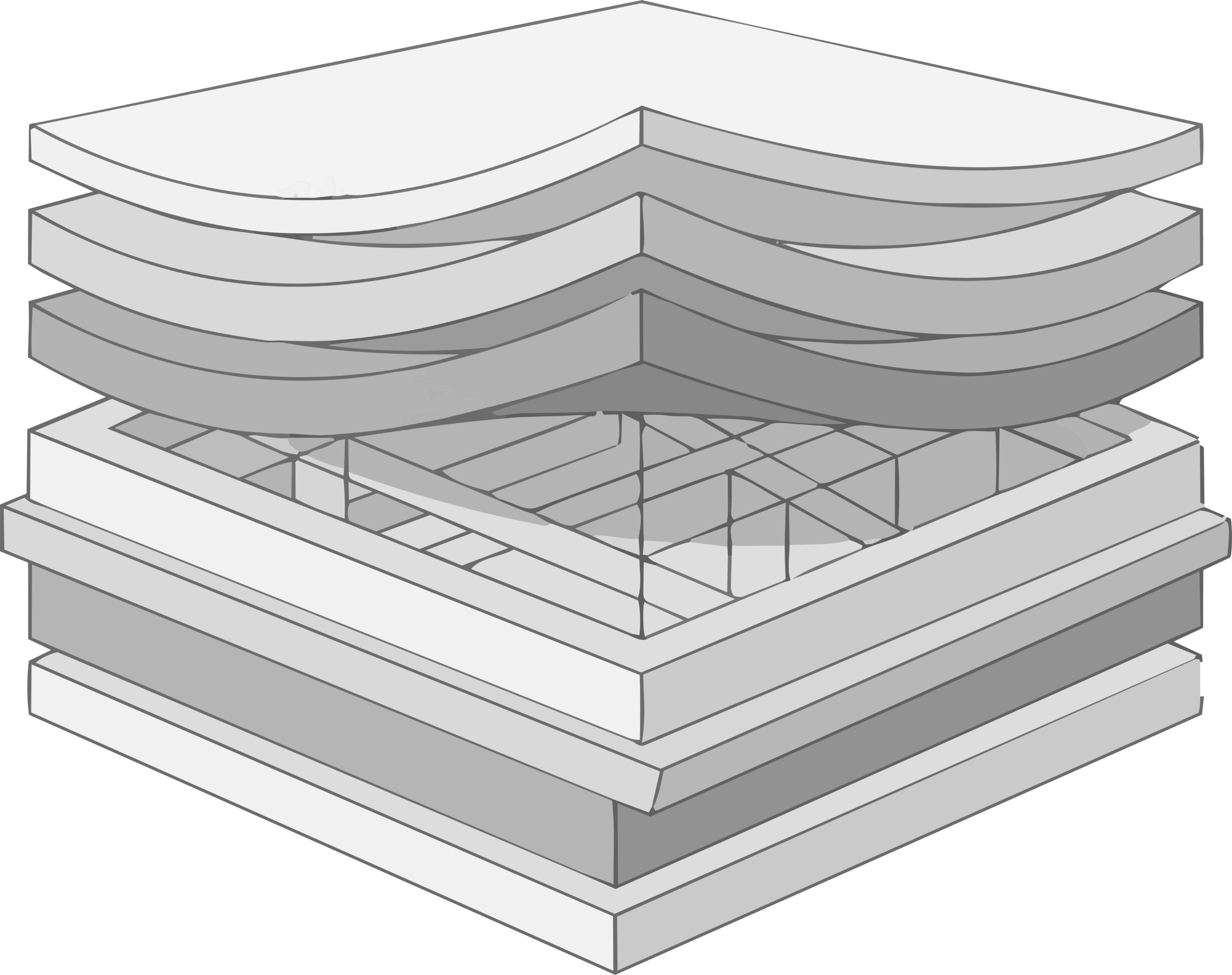
The 30% Rule is a modern planning principle stating that approximately one-third of the information required for successful project delivery is typically missing when a plan is labeled “complete.”
These missing elements — including assumptions, expectations, constraints, dependencies, and shared context — often remain invisible until execution begins. When they surface late, they introduce misalignment, rework, delays, and decision friction.
Historically, organizations attempted to manage this gap reactively through Outcome Management, a legacy discipline focused on evaluating results after decisions had already been made.
The 30% Rule exposes why that approach is no longer sufficient — and why modern work requires Outcome Orchestration, the discipline that improves decision quality across the lifecycle by keeping understanding intact as conditions change.
The most important parts of a plan are the ones you don’t see
The missing 30% rarely announces itself politely. It appears as a late compliance requirement no one planned for, an unexpected dependency on another team, a feasibility constraint discovered after commitment, a stakeholder realizing their definition of “done” was different, or a vendor limitation surfacing midstream. These are not true surprises.
They are previously invisible information finally becoming unavoidable.
Once they surface, the project shifts from delivery to repair. Rework, renegotiation, delay, and frustration follow. The 30% Rule gives this pattern a name so it can be addressed before execution absorbs the cost.
What you don’t surface early becomes the work you fix later
When the missing 30% remains hidden, alignment degrades quietly, expectations diverge, feasibility collapses late, and decision quality suffers under pressure.
When it is surfaced early, teams align faster, scope stabilizes, risks become manageable, decisions improve, and execution becomes far more predictable.
The 30% Rule is not about adding ceremony or complexity. It is about making the real drivers of modern work visible early enough to matter.
A simple lens for stronger project starts
The 30% Rule can be applied to any planning conversation by deliberately testing what might be missing.
Clarify the outcome the work is meant to achieve. Surface constraints that could realistically shape delivery. Make expectations explicit. Expose dependencies.
Test assumptions.
This discipline turns hidden complexity into shared understanding — the prerequisite for sound decisions and durable outcomes.
Is your plan missing the most important 30%?
The 30% Rule Assessment helps you quickly evaluate where clarity is thin, assumptions may be hiding, alignment is fragile, and feasibility risks are likely to surface.
You’ll receive a diagnostic snapshot highlighting where your plan may need reinforcement before execution begins.
Work breaks where understanding was never secured
Across decades of project work, the same pattern repeats: projects struggle not because teams lacked effort, but because critical understanding never fully formed.
The 30% Rule exists to make that invisible gap visible — and prevent teams from paying for it later.
If this reflects your experience, you’re exactly who this was built for.
Join the Intralign Waitlist and Lead the Future of Project Management